Posts

Showing posts with the label conservation

Chemistry For Conservators 02
Image
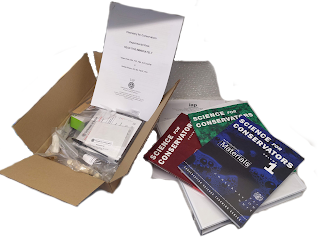
Audiences waited seven years between ‘Alien’ and ‘Aliens’ for the continuing adventures of Sigourney Weaver IN SPAAAAAAAAACE, so two years ‘twixt instalments of my journey through the International Academic Projects ‘Chemistry for Conservators’ course is nothing to complain about. So there. This course was not intended to crank out a newly-minted Conservator at its conclusion, rather it was aimed at people like me with rusty GCSE Chemistry who wish to understand more about the application of basic scientific principles in a museum context. Similarly the purpose of this series is not to analyse in any particular depth the format and delivery of the course, but to outline what’s involved along with any musings and highlighting some of the… highlights as we go. The TLDR version (how frightfully hip and with it) is that I very much enjoyed this course, and while I wouldn’t say it gave any earth-shattering new insights it was a fascinating exploration of the chemical principles underp...
Chemistry For Conservators 01

Image
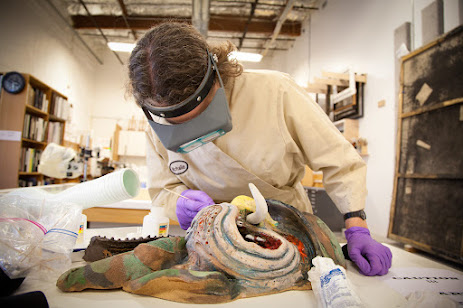
  ‘Chemical processes underlie many of the practices and techniques used in conservation. From environmental control in preventative conservation to practical conservation and restoration, chemical interactions take place between the object and the outside world. These interactions may be harmful or benign, and need to be understood in order that they be controlled’. (Introduction, Chemistry for Conservators IAP) Everything is going to fall apart. Entropy’s gonna git ya! At least, that often felt like the central theme of the ‘Chemistry for Conservators’ course I undertook in 2021. The good news is the course also tells you how to, like, stop that happening. As a Curator I’ve been fascinated with how objects are preserved (‘for future generations to enjoy’ is how that phrase usually ends when writing funding bids), which is just as well as looking after the precious things is kind of fundamental to the job. This art, which is actually a science, is called... Conservation. PAY...